

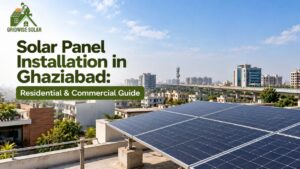

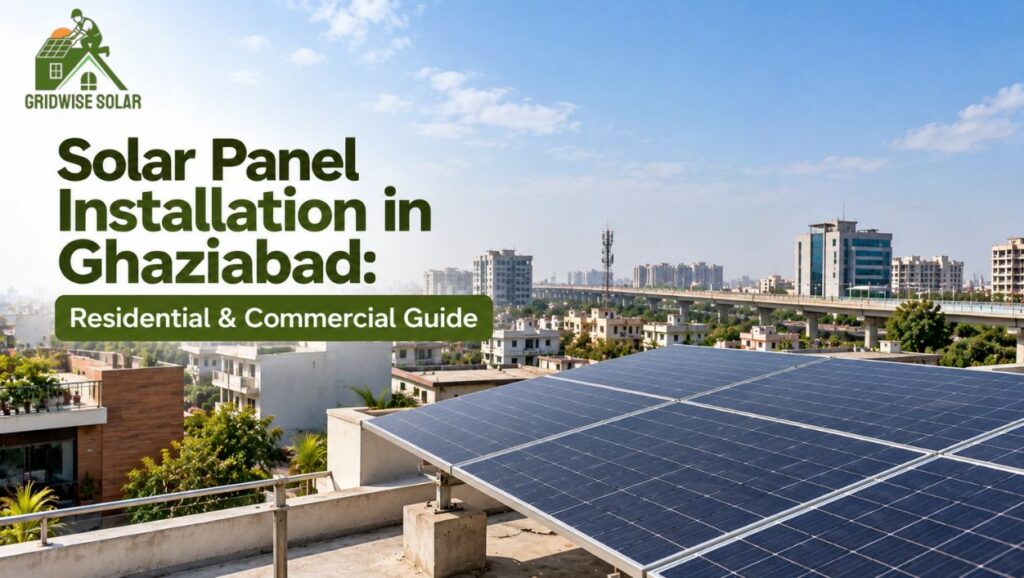
Solar panel installation in Ghaziabad is attracting homeowners, offices, factories, warehouses, and commercial buildings. They all want to keep electricity bills in check. The city has residential neighborhoods and commercial developments side by side. The right system depends on roof space, power use, shade, and the property’s electrical setup.
You might own a house in Indirapuram or run a commercial facility somewhere else in the city. In either case, you need quality equipment and an installer with real experience. A reliable solar company in Ghaziabad should study your needs before it suggests system capacity, panels or inverter setup.
This guide covers how rooftop solar works and what drives installation costs. It also explains what to consider when planning a home or commercial project.
How Does Rooftop Solar Work?
Panels convert sunlight into direct current (DC) electricity. An inverter then converts it to alternating current (AC), which compatible electrical loads can use.
The system you need will vary depending on how you use electricity at your property:
- On-grid Solar
Provides solar electricity supply to the building and maintains an electrical connection with the grid. Export arrangements are based on the rules and metering approvals that apply.
- Hybrid Solar
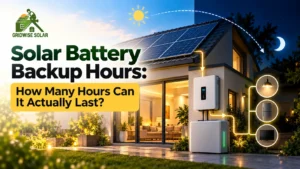
Pairs solar generation with compatible battery storage. With the right configuration, it can back up chosen loads.
- Commercial Solar
Built around a business’s consumption, operating hours, roof conditions and existing electrical setup.
A professional solar installation in Delhi NCR starts by studying these needs. Choosing capacity based on property size alone is a poor shortcut.
6 Factors to Consider Before Solar Panel Installation in Ghaziabad
1. Assess Your Electricity Consumption
Pull out your recent electricity bills. Look at monthly use, seasonal changes and how much power you draw during the day. A home with air conditioners, water heaters and other heavy appliances may need a different design from a smaller household.
Commercial properties need a closer look at operating hours, cooling equipment, computers, machinery, and other big loads. Knowing when you use power tells you how much solar output you can use directly.
A qualified solar company in Delhi NCR can weigh these details with your roof conditions and suggest the right capacity.
2. Check Rooftop Space and Shading
Roof space shapes the panel layout. Still, not every part of a roof works. Water tanks, staircase rooms, parapet walls, neighbouring buildings and rooftop equipment can cast shade or block access.
In case of a rooftop solar system in Indirapuram, it should include available roof space, surrounding obstacles, mounting choices, and accessing for maintenance. Independent houses may require more than a builder floor or common roof.
Commercial buildings need a check on roof condition, structural strength, drainage and safe access before anyone finalizes the design.
3. Select the Right Panels and Inverter
Panels and inverters must work together and meet your property’s electrical needs. Gridwise Solar installs high-efficiency TOPCon solar panels. The final configuration depends on the project.
Inverter choice depends on system capacity, electrical supply, panel layout, shading and backup needs. Some residential projects may also gain from Enphase microinverters, where panel-level conversion and monitoring matter.
When you compare solar installation services in Noida or Ghaziabad, read the actual equipment models, specifications and installation scope. Don’t trust broad product claims.
4. Understand Residential and Commercial Requirements
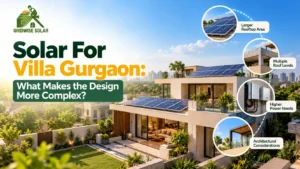
Most approaches to planning home systems focus on the house, available roof space, and what the homeowner wants to gain from solar. Independent houses and villas may offer more flexibility for panel placement. Shared rooftops require permission and careful coordination.
Commercial systems have to fit business operations and existing electrical infrastructure. Offices, factories, warehouses and institutions each use power in their own way and have their own installation needs.
Good commercial solar solutions in Ghaziabad start with a load assessment, a roof survey and a look at the facility’s operating schedule.
5. Evaluate Installation Costs and Potential Savings
Several factors determine the cost of solar panel installation. These include system capacity, equipment specs, mounting structure, electrical protection, cable routing and how complicated your roof is. If you want battery storage, it adds equipment and integration costs.
Before you accept a quote, check that it clearly lists:
- Panel and inverter specifications
- Mounting structure and electrical components
- Installation and commissioning work
- Taxes, exclusions and extra charges
- Warranty documents and who handles support
Your savings depend on solar generation, self-consumption, tariffs, export arrangements and total project cost. Ask for an estimate built around your property. Don’t fall for a fixed savings promise.
For businesses exploring commercial solar installation in Delhi NCR, daytime consumption matters when you estimate the system value.
6. Choose an Installer with a Clear Project Process
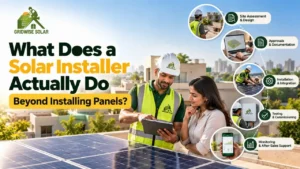
Solar installation is more than bolting panels to a roof. It covers site assessment, system design, equipment selection, electrical integration, safety checks, testing and handover.
Ask the installer who will run the project, what’s included, which documents you’ll get and how they handle support afterward.
For larger facilities, a capable solar EPC company in Delhi NCR can handle engineering, procurement and construction within an agreed scope. Homeowners should also pin down equipment warranties, workmanship cover and any paid maintenance services before signing.
What Is the Solar Installation Process?
A typical project runs through these stages:
- Consultation: Go over your electricity use, property type and solar goals.
- Site survey: Check roof space, shading, structural condition and the electrical setup.
- System design: Settle the capacity, panel layout, inverter setup and installation needs.
- Quotation: Confirm equipment specs, costs, exclusions and who does what.
- Installation: Fit the mounting structure, panels, inverter, cabling and protection equipment.
- Testing and handover: Run the required checks and hand over system documents and operating guidance.
If you want backup power, a hybrid solar installation also involves checking battery compatibility and deciding which loads need backup.
Conclusion
Solar panels can work for many properties in Ghaziabad. Independent homes, builder floors, offices, factories, and warehouses all qualify. Match the system to your actual power use, roof conditions, equipment choices, and electrical setup.
Gridwise Solar offers customized residential and commercial rooftop solar across Delhi NCR. We use TOPCon panels and inverter setups tailored to each project. Planning a rooftop solar system in Indirapuram, or looking at a commercial installation? A site assessment can show you the right direction.
Contact Gridwise Solar to discuss your property and your solar installation needs.
FAQs
1. Is rooftop solar suitable for homes in Indirapuram?
If the roof space of the home is suitable, the conditions for installation are good and the permissions are available, it can be.
2. What affects solar panel installation costs in Ghaziabad?
The final quote depends on system capacity, the panels and inverter you choose and your mounting needs. Other factors include electrical and roof conditions plus optional batteries.
3. Can commercial buildings install rooftop solar?
Yes. Rooftop solar is suitable for offices, factories, warehouses and other commercial properties. This will be based on their power needs, and their roof and electrical requirements.
4. Can solar panels provide backup during a power cut?
A standard on-grid system usually turns off when the grid goes down. For backup you need compatible equipment and a system designed for it. Longer backup typically needs batteries.
5. How do I choose a solar company in Ghaziabad?
Make a comparison of site surveys, equipment, and system design. Look at installation scope, safety checks, and commissioning. Also review warranty paperwork and customer support.